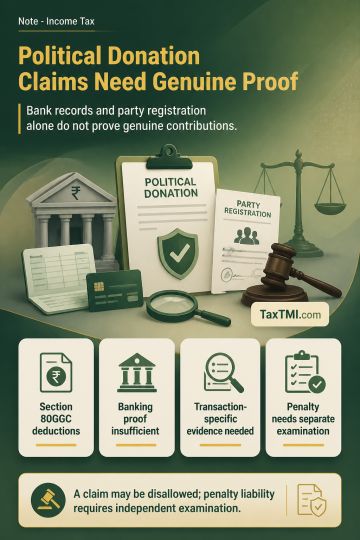
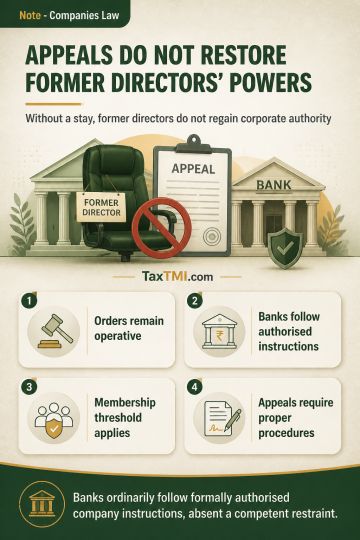
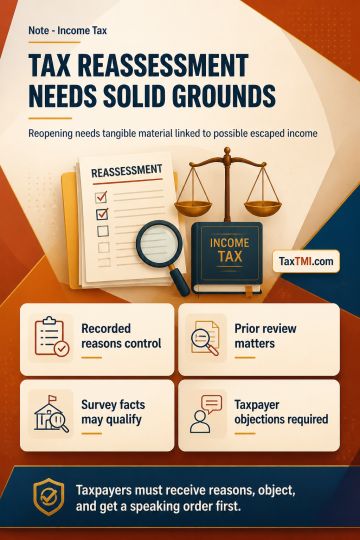
Political contribution deductions require genuine transactions; banking records and party registration alone cannot defeat evidence of accommodation e...
Post-death GST liability permits fresh proceedings against legal representatives, while discontinued-business recovery remains limited to the inherite...
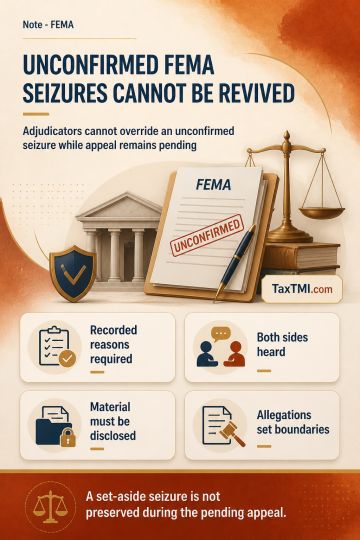
Non-confirmation of FEMA seizure prevents adjudicators from overriding pending appellate findings on recorded reasons and suspected foreign asset hold...
NCLAT allowed the appeal and set aside the NCLT order which had directed the suspended directors of the CD (appellants) to contribute to the liquidation estate under s.66 of the IBC. NCLAT held that the impugned share purchase transactions, though loss-making, were commercial decisions within the appellants' financial intermediation business and could not, on the available material, be characterised as fraudulent or wrongful trading. The Appellate Tribunal found that the transactional audit report was not conclusive evidence and that the NCLT failed to examine whether the statutory conditions under s.66(2) were cumulatively satisfied, particularly knowledge of inevitable CIRP and lack of due diligence in minimising creditor losses. Consequently, the findings of fraudulent transactions and corresponding liability of the appellants were vacated.
NCLAT allowed the appeal and set aside the NCLT order which had directed the suspended directors of the CD (appellants) to contribute to the liquidation estate under s.66 of the IBC. NCLAT held that the impugned share purchase transactions, though loss-making, were commercial decisions within the appellants' financial intermediation business and could not, on the available material, be characterised as fraudulent or wrongful trading. The Appellate Tribunal found that the transactional audit report was not conclusive evidence and that the NCLT failed to examine whether the statutory conditions under s.66(2) were cumulatively satisfied, particularly knowledge of inevitable CIRP and lack of due diligence in minimising creditor losses. Consequently, the findings of fraudulent transactions and corresponding liability of the appellants were vacated.
Note: It is a system-generated summary and is for quick reference only.
 TaxTMI
  TaxTMI