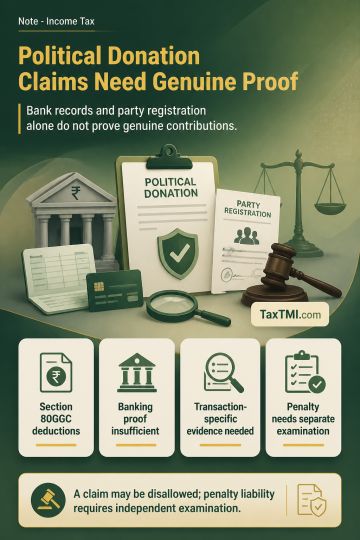
Political contribution deductions require genuine transactions; banking records and party registration alone cannot defeat evidence of accommodation e...
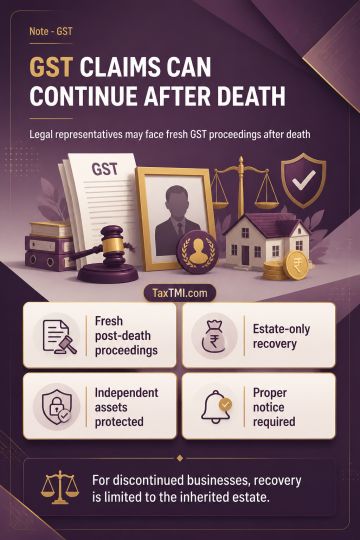
Post-death GST liability permits fresh proceedings against legal representatives, while discontinued-business recovery remains limited to the inherite...
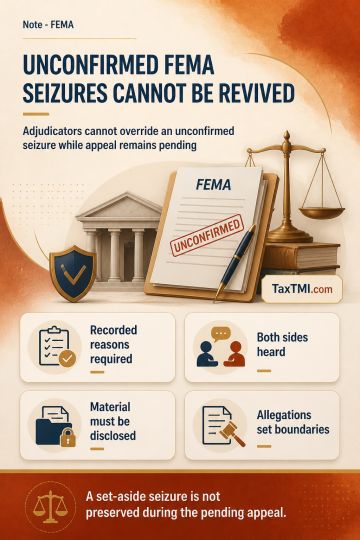
Non-confirmation of FEMA seizure prevents adjudicators from overriding pending appellate findings on recorded reasons and suspected foreign asset hold...
The HC allowed the criminal application and quashed proceedings against the Applicant, a part-time director, holding that the complaint fails to plead specific allegations required under s.278B(2) of the Income Tax Act to impute liability for offences committed by the Company. Applying controlling Supreme Court precedent, the HC found that mere averments that all directors are "in charge and responsible" of the Company are insufficient; there must be particularised allegations of consent, connivance or neglect demonstrating involvement in day-to-day management or business operations. Absent such specific pleading, the Director cannot be deemed guilty under s.278B(2), and prosecution against the Applicant was therefore not maintainable.
The HC allowed the criminal application and quashed proceedings against the Applicant, a part-time director, holding that the complaint fails to plead specific allegations required under s.278B(2) of the Income Tax Act to impute liability for offences committed by the Company. Applying controlling Supreme Court precedent, the HC found that mere averments that all directors are "in charge and responsible" of the Company are insufficient; there must be particularised allegations of consent, connivance or neglect demonstrating involvement in day-to-day management or business operations. Absent such specific pleading, the Director cannot be deemed guilty under s.278B(2), and prosecution against the Applicant was therefore not maintainable.
Note: It is a system-generated summary and is for quick reference only.
 TaxTMI
  TaxTMI