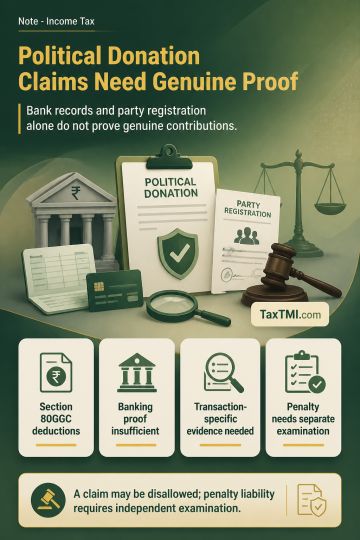
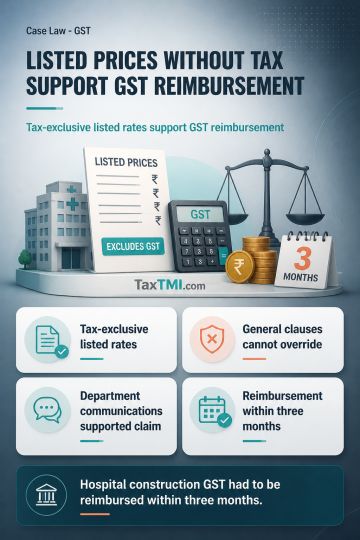
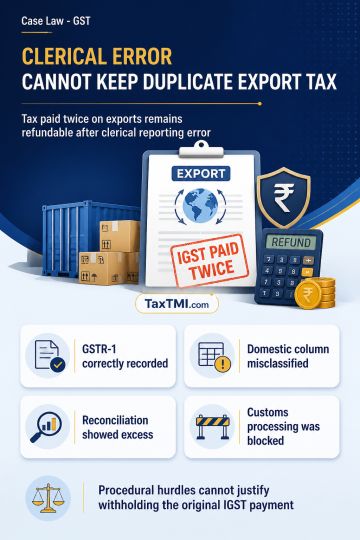
Political contribution deductions require genuine transactions; banking records and party registration alone cannot defeat evidence of accommodation e...
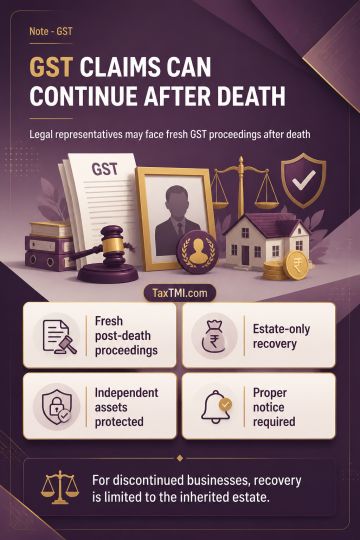
Post-death GST liability permits fresh proceedings against legal representatives, while discontinued-business recovery remains limited to the inherite...
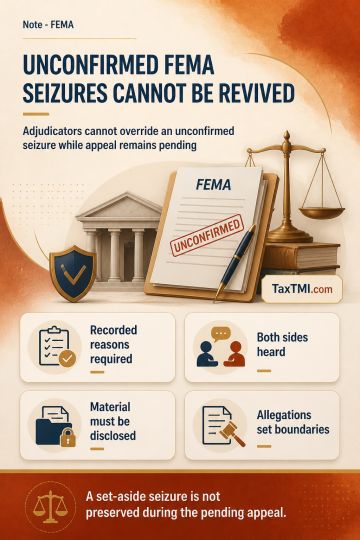
Non-confirmation of FEMA seizure prevents adjudicators from overriding pending appellate findings on recorded reasons and suspected foreign asset hold...
CESTAT adjudicated a dispute involving self-credit and CENVAT credit claims. The tribunal comprehensively examined allegations of erroneous refund and excess credit availment. After meticulous review, the tribunal found insufficient investigative evidence to substantiate revenue's claims of fraudulent credit utilization. The department failed to establish a substantive case of wrongful credit, with no comprehensive stock verification, buyer-end investigation, or conclusive documentation of alleged irregularities. The tribunal emphasized that burden of proof lies with the revenue department. Consequently, the appeals were allowed, quashing demands based on assumptions and inconclusive findings. The tribunal's decision underscored procedural rigor and evidentiary standards in tax credit disputes, ultimately ruling in favor of the appellants by rejecting revenue's unsubstantiated allegations.
CESTAT adjudicated a dispute involving self-credit and CENVAT credit claims. The tribunal comprehensively examined allegations of erroneous refund and excess credit availment. After meticulous review, the tribunal found insufficient investigative evidence to substantiate revenue's claims of fraudulent credit utilization. The department failed to establish a substantive case of wrongful credit, with no comprehensive stock verification, buyer-end investigation, or conclusive documentation of alleged irregularities. The tribunal emphasized that burden of proof lies with the revenue department. Consequently, the appeals were allowed, quashing demands based on assumptions and inconclusive findings. The tribunal's decision underscored procedural rigor and evidentiary standards in tax credit disputes, ultimately ruling in favor of the appellants by rejecting revenue's unsubstantiated allegations.
Note: It is a system-generated summary and is for quick reference only.
 TaxTMI
  TaxTMI