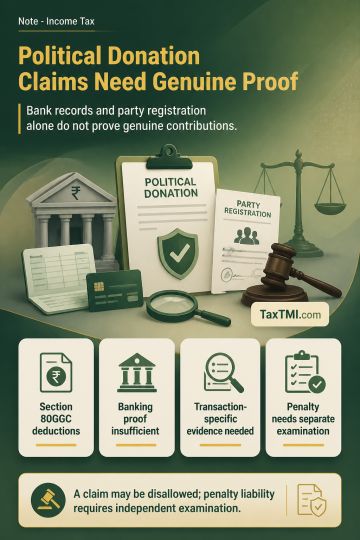
Political contribution deductions require genuine transactions; banking records and party registration alone cannot defeat evidence of accommodation e...
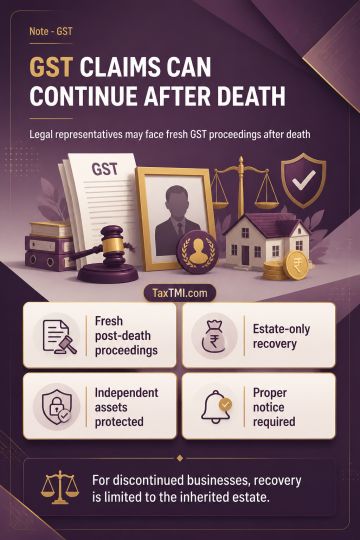
Post-death GST liability permits fresh proceedings against legal representatives, while discontinued-business recovery remains limited to the inherite...
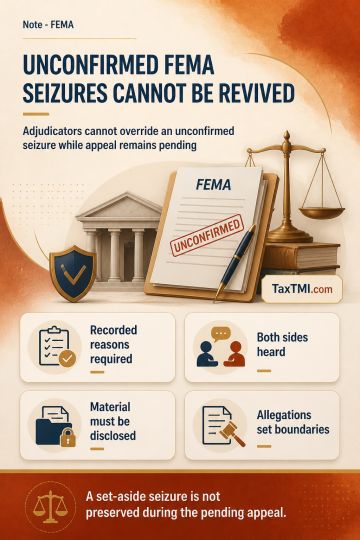
Non-confirmation of FEMA seizure prevents adjudicators from overriding pending appellate findings on recorded reasons and suspected foreign asset hold...
The ITAT ruled that penalties under sections 271(1)(c) and 270A against the taxpayer were improper and directed their deletion. The tribunal held that merely making an unsustainable claim that receipts from software distribution were not taxable in India cannot constitute furnishing inaccurate particulars to warrant penalty under s.271(1)(c), especially when the taxpayer fully cooperated during assessment proceedings. Regarding s.270A penalty for under-reported income (where DRP reduced attribution from 80% to 30%), the ITAT determined this was not an automatic penalty situation, citing D.C.Polyester and Hindustan Steel Ltd precedents. The tribunal found the exception under s.270A(6)(a) applicable as the taxpayer had disclosed all material facts and provided bona fide explanations.
The ITAT ruled that penalties under sections 271(1)(c) and 270A against the taxpayer were improper and directed their deletion. The tribunal held that merely making an unsustainable claim that receipts from software distribution were not taxable in India cannot constitute furnishing inaccurate particulars to warrant penalty under s.271(1)(c), especially when the taxpayer fully cooperated during assessment proceedings. Regarding s.270A penalty for under-reported income (where DRP reduced attribution from 80% to 30%), the ITAT determined this was not an automatic penalty situation, citing D.C.Polyester and Hindustan Steel Ltd precedents. The tribunal found the exception under s.270A(6)(a) applicable as the taxpayer had disclosed all material facts and provided bona fide explanations.
Note: It is a system-generated summary and is for quick reference only.
 TaxTMI
  TaxTMI