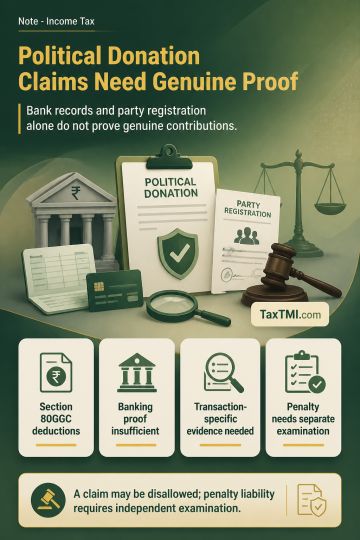
Political contribution deductions require genuine transactions; banking records and party registration alone cannot defeat evidence of accommodation e...
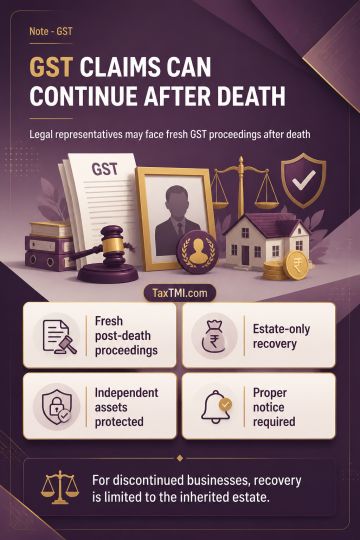
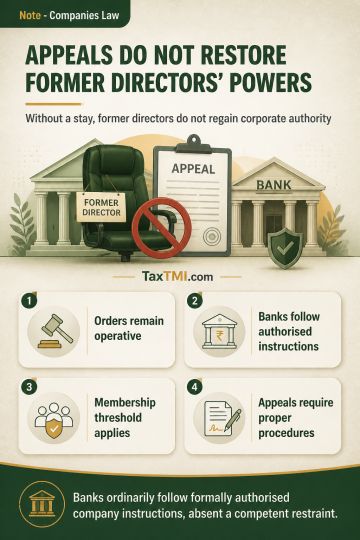
Post-death GST liability permits fresh proceedings against legal representatives, while discontinued-business recovery remains limited to the inherite...
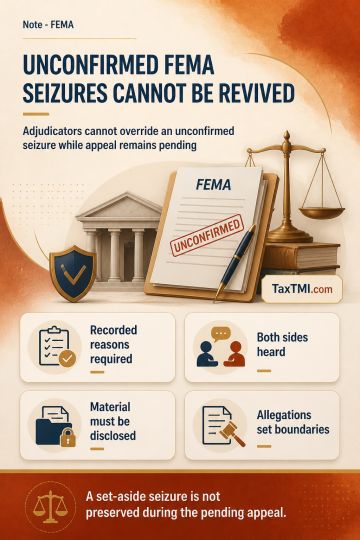
Non-confirmation of FEMA seizure prevents adjudicators from overriding pending appellate findings on recorded reasons and suspected foreign asset hold...
The ITAT held that debt forgiveness pursuant to a Settlement Agreement cannot be taxed under section 28(iv) as it constitutes a monetary benefit, not a benefit in kind as required by the provision. Following CIT v. Mahindra and Mahindra Ltd, the Tribunal ruled that section 41(1) was also inapplicable as the forgiven debt was not a trading liability for which allowance or deduction had been previously claimed. The ITAT further determined that the benefit could not be characterized as business profits under section 28(i). Additionally, since the assessment for AY 2011-12 was unabated at the time of search under section 132, the assessee's fresh claim for expenditure deduction not based on incriminating material found during search was disallowed.
The ITAT held that debt forgiveness pursuant to a Settlement Agreement cannot be taxed under section 28(iv) as it constitutes a monetary benefit, not a benefit in kind as required by the provision. Following CIT v. Mahindra and Mahindra Ltd, the Tribunal ruled that section 41(1) was also inapplicable as the forgiven debt was not a trading liability for which allowance or deduction had been previously claimed. The ITAT further determined that the benefit could not be characterized as business profits under section 28(i). Additionally, since the assessment for AY 2011-12 was unabated at the time of search under section 132, the assessee's fresh claim for expenditure deduction not based on incriminating material found during search was disallowed.
Note: It is a system-generated summary and is for quick reference only.
 TaxTMI
  TaxTMI