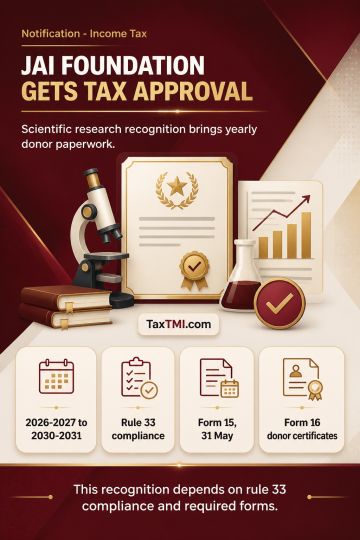
Scientific research approval grants a research association tax recognition, subject to annual donor reporting, certification, and regulatory complianc...
Judicial discipline requires consistent reassessment treatment where identical facts were decided for the same taxpayer in the preceding assessment ye...
HC determined that payments made under CGST Act were coerced, not voluntary self-ascertainment under Section 74(5). Evidence showed statements were recorded and deposits made under duress, with implicit threats of arrest. The timing of payments - one made after summons issuance and another during Bengaluru appearance - indicated coercion. Court rejected appellant's argument that respondent's affidavit challenging statements was belated, noting one-week gap was not fatal. Finding the recovery contrary to law, HC upheld single judge's order directing refund with interest. The cumulative facts demonstrated clear pattern of threat and coercion, invalidating both recorded statements and subsequent payments. Appeal dismissed.
HC determined that payments made under CGST Act were coerced, not voluntary self-ascertainment under Section 74(5). Evidence showed statements were recorded and deposits made under duress, with implicit threats of arrest. The timing of payments - one made after summons issuance and another during Bengaluru appearance - indicated coercion. Court rejected appellant's argument that respondent's affidavit challenging statements was belated, noting one-week gap was not fatal. Finding the recovery contrary to law, HC upheld single judge's order directing refund with interest. The cumulative facts demonstrated clear pattern of threat and coercion, invalidating both recorded statements and subsequent payments. Appeal dismissed.
Note: It is a system-generated summary and is for quick reference only.
 TaxTMI
  TaxTMI