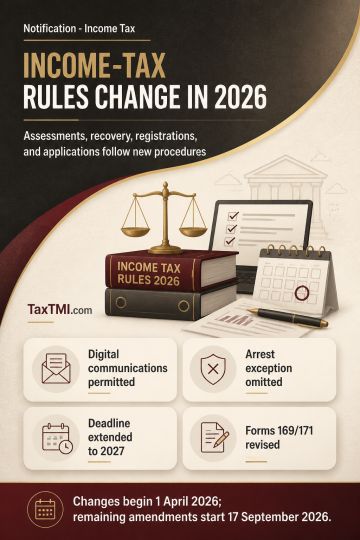
Faceless assessment and registration procedures are updated through electronic communication, revised recovery rules, extended deadlines, and replacem...
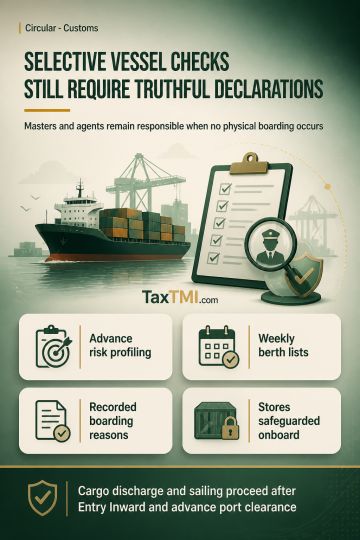
Risk-based selective vessel boarding requires accurate declarations and preserves master and agent liability where physical inspections are not select...
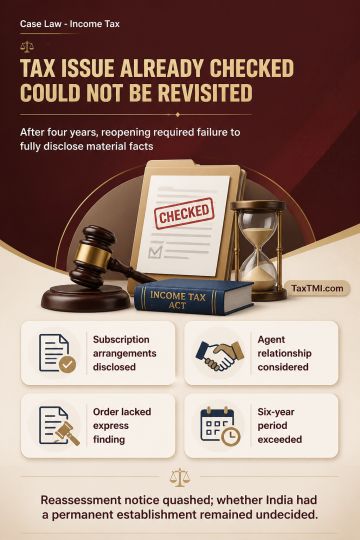
Permanent-establishment reassessment cannot revisit scrutinised disclosures; extended reopening fails without undisclosed material facts and within st...
The guidelines outline operational framework for Free Trade and Warehousing Zones (FTWZ) and warehousing units in Special Economic Zones (SEZ). Key points include strict due diligence on applicants through KYC norms, Aadhaar/passport authentication, and financial documentation. Comprehensive CCTV surveillance, tamper-proof ERP systems with authorized access for Development Commissioners (DCs), and prohibition of manual customs clearances are mandated. Goods transfer between FTWZs is restricted. DCs must conduct periodic physical verifications, performance reviews of FTWZ units, and prioritize audits as per risk assessment. Information sharing on non-compliant units, monitoring high-risk commodities, defining minimum area for warehousing, and strict action against sub-letting are emphasized. Zonal teams are to be formed for continuous data analysis and risk management. The guidelines aim to strengthen compliance and curb malpractices within SEZ operations.
The guidelines outline operational framework for Free Trade and Warehousing Zones (FTWZ) and warehousing units in Special Economic Zones (SEZ). Key points include strict due diligence on applicants through KYC norms, Aadhaar/passport authentication, and financial documentation. Comprehensive CCTV surveillance, tamper-proof ERP systems with authorized access for Development Commissioners (DCs), and prohibition of manual customs clearances are mandated. Goods transfer between FTWZs is restricted. DCs must conduct periodic physical verifications, performance reviews of FTWZ units, and prioritize audits as per risk assessment. Information sharing on non-compliant units, monitoring high-risk commodities, defining minimum area for warehousing, and strict action against sub-letting are emphasized. Zonal teams are to be formed for continuous data analysis and risk management. The guidelines aim to strengthen compliance and curb malpractices within SEZ operations.
Note: It is a system-generated summary and is for quick reference only.
 TaxTMI
  TaxTMI