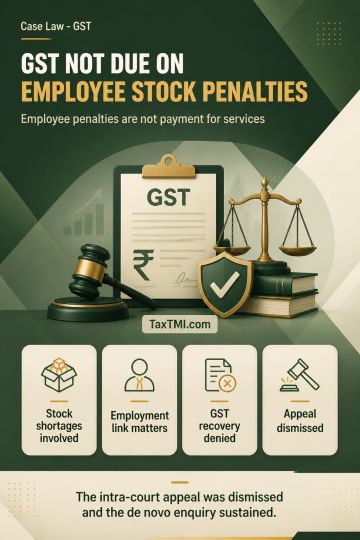
Employee stock-shortage penalties do not constitute consideration for services, preventing GST collection under Schedule II in employment relationship...
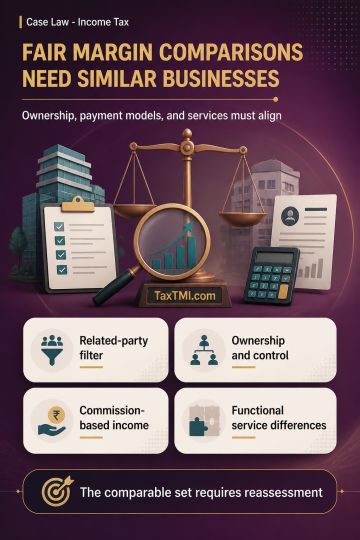
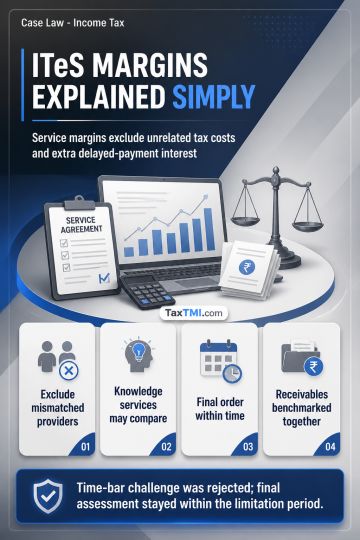
Transfer-pricing treatment of ITeS margins excludes pass-through tax recoveries and separate delayed-receivables interest after working-capital adjust...
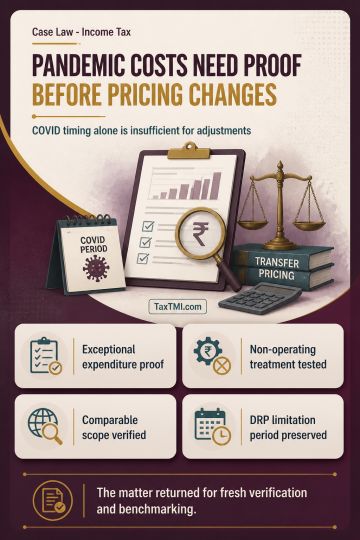
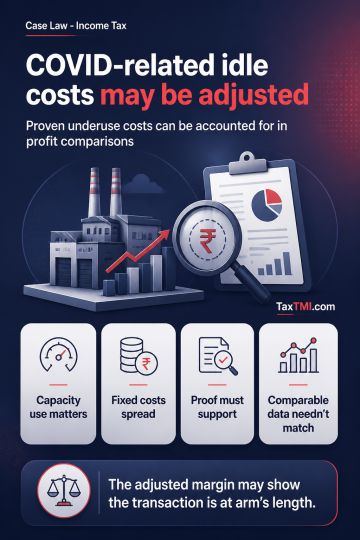
Capacity-utilisation adjustments under TNMM can neutralise substantiated COVID-related idle costs where underutilisation materially affects profitabil...
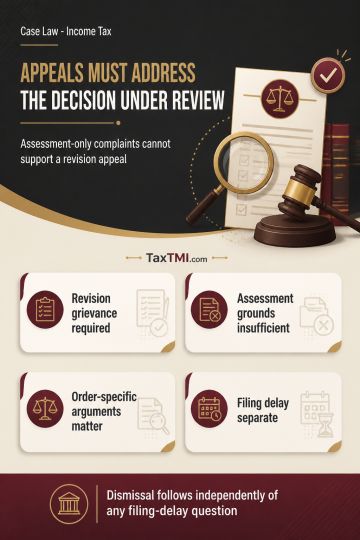
Appeals against revision orders must identify a grievance with the revision itself. Grounds confined to a consequential assessment do not challenge the revision order. Where every ground targets only the consequential assessment, no maintainable challenge to the revision exists, and dismissal follows independently of any issue concerning delay in filing the appeal. This requirement ensures that appellate grounds correspond to the order purportedly under challenge rather than to a separate consequential assessment.
Appeals against revision orders must identify a grievance with the revision itself. Grounds confined to a consequential assessment do not challenge the revision order. Where every ground targets only the consequential assessment, no maintainable challenge to the revision exists, and dismissal follows independently of any issue concerning delay in filing the appeal. This requirement ensures that appellate grounds correspond to the order purportedly under challenge rather than to a separate consequential assessment.
Note: It is a system-generated summary and is for quick reference only.
 TaxTMI
  TaxTMI



 Join Channel