Nature-dependent electricity contracts receive new Ind AS accounting, hedge designation, transition and financial-statement disclosure requirements fr...
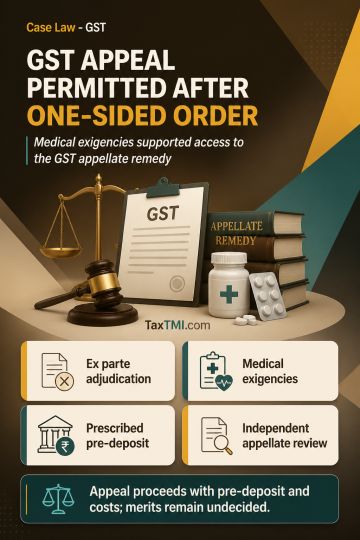
Alternative GST remedy permitted protective writ intervention for ex parte adjudication, preserving independent appellate review of input tax credit d...
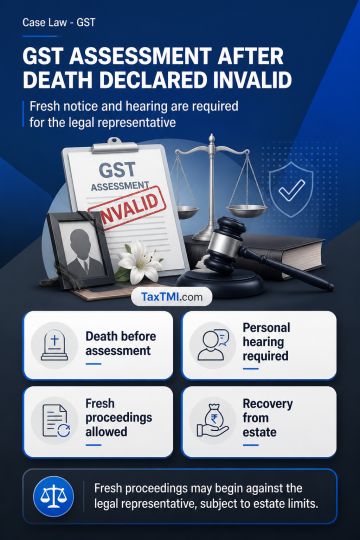
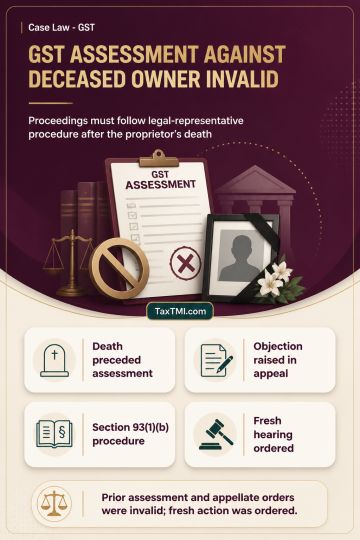
Assessment against deceased sole proprietor requires proceedings against the legal representative, rendering prior assessment and appellate orders inv...
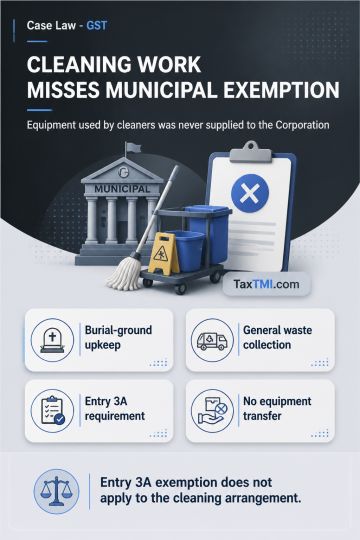
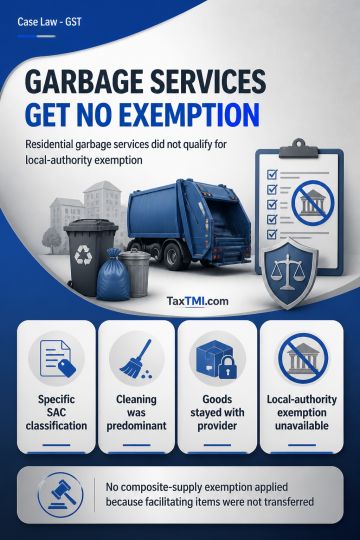
Residential waste collection classification under SAC 999423 defeats composite-supply exemption where facilitating goods are not transferred to the lo...
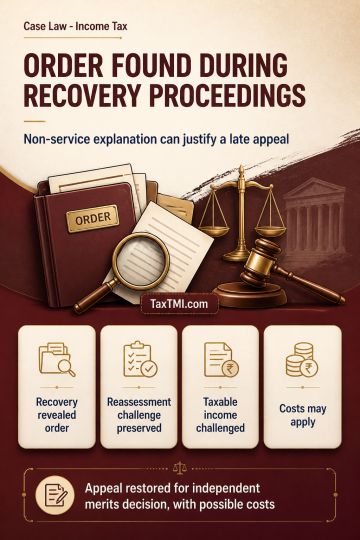
Condonation of delay permits statutory appeal restoration where inadequate service explanation prevented consideration of reassessment and taxable-inc...
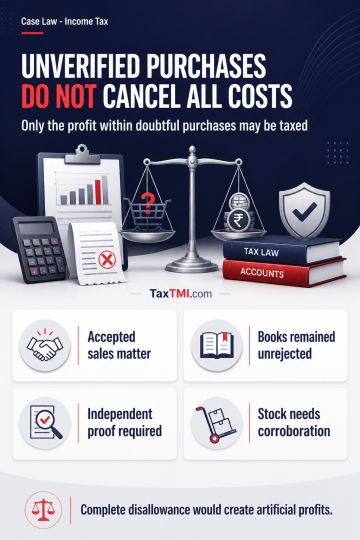
Primary purchase evidence, accepted sales and unrejected books may discharge the purchaser's burden unless the Revenue produces independent material showing sham supplies or return of consideration. A supplier's failure to substantiate its own procurement chain, alleged excess mining, or direct dispatch to customers does not alone justify disallowance. Where purchase evidence is deficient but sales, audited accounts and quantitative records are accepted, only the profit embedded in unverifiable purchases may be estimated, using the disclosed gross-profit ratio; complete disallowance would create artificial profits. A closing-stock balance in seized electronic records requires corroboration and cannot stand where incomplete consumption entries create a notional, improbable stock figure unsupported by physical stock or other defects.
Primary purchase evidence, accepted sales and unrejected books may discharge the purchaser's burden unless the Revenue produces independent material showing sham supplies or return of consideration. A supplier's failure to substantiate its own procurement chain, alleged excess mining, or direct dispatch to customers does not alone justify disallowance. Where purchase evidence is deficient but sales, audited accounts and quantitative records are accepted, only the profit embedded in unverifiable purchases may be estimated, using the disclosed gross-profit ratio; complete disallowance would create artificial profits. A closing-stock balance in seized electronic records requires corroboration and cannot stand where incomplete consumption entries create a notional, improbable stock figure unsupported by physical stock or other defects.
Note: It is a system-generated summary and is for quick reference only.
 TaxTMI





 Join Channel


 TaxTMI

