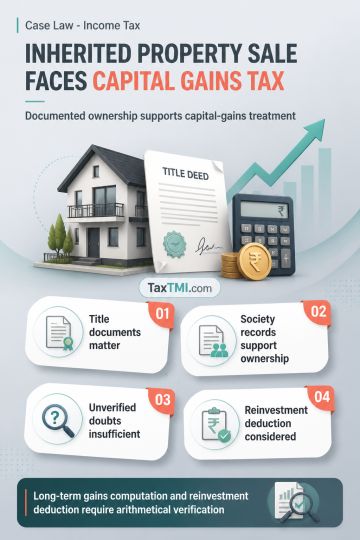
Inherited property sale proceeds require capital-gains treatment where ownership is supported by evidence, not suspicion or unverified signature doubt...
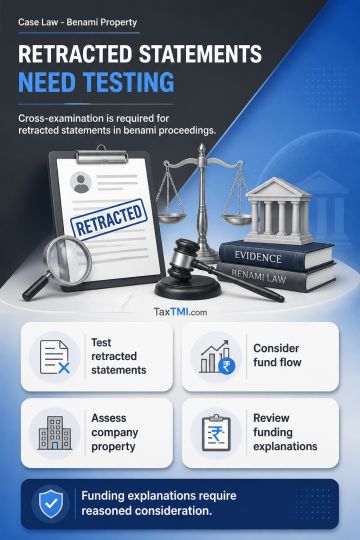
Cross-examination of retracted statements is essential where foundational evidence supports a benami allegation and documented funding explanations re...
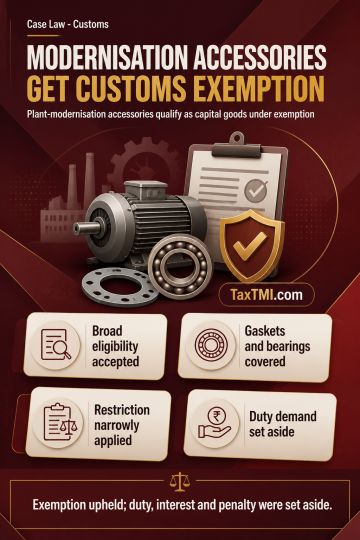
Capital-goods exemption covers plant-modernisation accessories, while the import restriction applies only to earlier capital-goods components and spar...
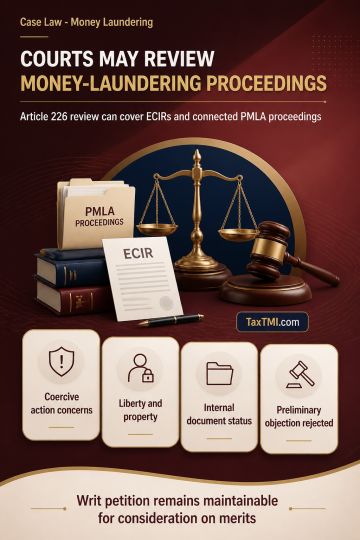
Constitutional judicial review permits challenges to ECIRs and connected money-laundering proceedings where coercive action affects fundamental intere...
Incidental micro-credit and financial facilitation by a charitable trust did not, by itself, negate charitable status for approval where the trust deed authorised self-help groups, micro-credit programmes and developmental initiatives. The Tribunal found no evidence of commerciality, profit-oriented conduct, surplus distribution or systematic business operations, and noted that the accounts showed no abnormal surplus while the reports reflected relief to the poor. It also relied on existing charitable registration as recognition of the trust's character. On that basis, the proviso to section 2(15) was held inapplicable and the rejection of approval was set aside.
Incidental micro-credit and financial facilitation by a charitable trust did not, by itself, negate charitable status for approval where the trust deed authorised self-help groups, micro-credit programmes and developmental initiatives. The Tribunal found no evidence of commerciality, profit-oriented conduct, surplus distribution or systematic business operations, and noted that the accounts showed no abnormal surplus while the reports reflected relief to the poor. It also relied on existing charitable registration as recognition of the trust's character. On that basis, the proviso to section 2(15) was held inapplicable and the rejection of approval was set aside.
Note: It is a system-generated summary and is for quick reference only.
 TaxTMI
 of 4794



 Join Channel


 TaxTMI